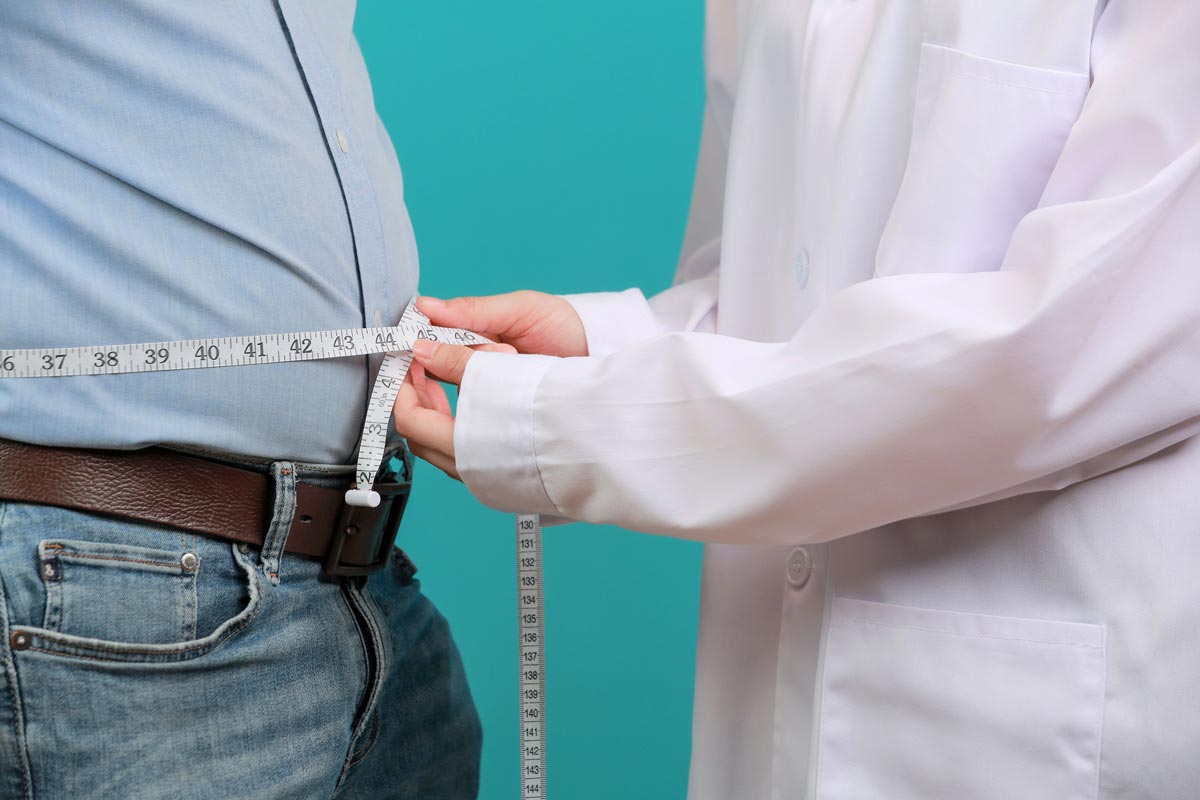
The testosterone and body fat connection is basically a two-way street: each directly influences the other. Testosterone helps your body build muscle and burn energy efficiently. Even so, if you’re carrying excess fat, especially around your midsection, that actually signals your body to produce less testosterone. When these two get out of sync, you end up stuck in a frustrating loop: low testosterone makes you gain fat, and the extra fat drags your hormones down even further.
The first step to breaking that cycle is understanding how it works. Tackle both your hormones and your body composition, and you’ll help restore your metabolism to its natural rhythm. At PG Men’s Health, we guide men toward rebalancing testosterone and body fat so they can feel like themselves again.
Digging into the biological feedback loop, the link between testosterone and body fat is a big deal in men’s health. Yet it hardly ever comes up in regular weight-loss discussions. Testosterone drives your metabolic rate – that’s how quickly your body burns calories. Keep your levels right, and maintaining muscle and keeping fat in check gets way easier.
Here’s the catch, though: fat isn’t just energy stored for later. Fat tissue makes an enzyme, called aromatase, that turns testosterone into estrogen. Therefore, the more fat you have, the more your body converts your testosterone, leaving less usable (“free”) testosterone behind. Now you’ve got testosterone and body fat fighting for control, which drags your system down.
Getting out of this rut usually means you have to hit it from two sides: correct hormone imbalances and reduce the fat that fuels the problem. When you manage to balance your testosterone and body fat, you don’t only lose pounds. You actually get your whole system humming again.
Think of body fat and testosterone like a seesaw on the playground: when one goes up, the other goes down. That’s because extra fat cells, especially the deep belly kind (visceral fat), send out signals that tell your brain to slow down hormone production. With less testosterone, your energy levels drop, workouts feel harder, and even daily motivation takes a hit. It’s not just a willpower problem; it’s your biology holding you back. Your body is simply trying to conserve what little fuel it has.
The good news? Losing even a little weight can nudge those hormones back in line. However, because fat and testosterone are so connected, dropping those extra pounds is a lot tougher if you don’t deal with the hormone problem first. That’s why getting professional help works better than repeated dieting.
If you’ve noticed your belly growing even though you’re not eating much, you might be experiencing low testosterone and weight gain. Testosterone helps decide where your body stores fat and how it uses energy. Take testosterone out of the picture, and your body shifts to storing every extra calorie as fat rather than preserving muscle.
This gets you trapped in a frustrating cycle: feeling tired from low testosterone, you move less, and your metabolism slows, making you gain more and more pounds. That extra weight keeps dragging testosterone even lower. Most men who come to PG Men’s Health find themselves caught in this exact situation.
The upside is, you’re not stuck with it forever. When you find low testosterone at the root of your weight gain and actually address it, you can ditch the usual “fad diets” in favor of a plan that works with your biology, not against it. The result isn’t just a lower number on the scale. It’s about optimizing your metabolic environment so your body can function the way it should.
Weight gain in men isn’t just about hormones, although they play a key role. Age is another huge factor. Testosterone starts to dip about 1% to 2% per year after you hit 30. That’s why weight gain can sneak up on you even if you’re not doing anything different. Stress and poor sleep add fuel to the fire. High cortisol, the stress hormone, can shut down testosterone and push more fat to settle in your belly. Additionally, if you’re not sleeping well, you’re missing the prime time for your body to make those hormones, since most of the action happens during deep sleep. It all lines up to slow your metabolism right down.
Other common causes of weight gain in males include:
Figuring out which of these is tripping you up is the key. Often, it’s a little bit of everything. Most of the time, though, a simple hormone check shines a light on what’s holding you back.
Recognizing low testosterone isn’t always straightforward. It’s not just feeling “old.” Sometimes it sneaks up as mood changes or trouble focusing, like you’re living in a brain fog and reaching for another cup of coffee just to get through the afternoon.
Here’s a checklist of low testosterone symptoms in men:
If you see yourself in a few of these symptoms, it’s probably time for a professional look. Your body’s warning you that something’s off. Catching it early means you’ve got a better shot at a quick turnaround, so don’t put it off.
Hormone imbalance in men doesn’t just come down to testosterone. There’s a whole mix: insulin, cortisol, estrogen. They all work together. When testosterone drops, your body starts ignoring insulin, so your blood sugar stays high. Instead of burning that sugar for energy, you store it as fat.
Living with a hormone imbalance feels like your body’s fighting you every day. You eat right, but the scale still climbs. That’s because your cells are getting messed-up chemical instructions. Your body’s in “storage mode,” holding onto fat due to the imbalance.
At our clinics in Sarasota and Tampa, we look at the whole picture of men’s hormone health, not just testosterone. We check how they all interact, not just one individual number. Fixing the imbalance can feel like snapping out of a fog, with new energy and mental clarity you thought you’d lost.
When your testosterone levels are where they should be, fat loss gets a whole lot easier. Testosterone acts like your body’s own fat-burning switch. It speeds up your metabolism, so you use more calories, even when you’re just sitting around. It helps your body direct nutrients the right way: protein goes to your muscles, and sugar doesn’t get stashed away as fat.
The best part? When testosterone rises, you want to work out more. When you exercise and build muscle, your body fat drops. Less body fat means less aromatase, the enzyme that turns testosterone into estrogen. As a result, your natural testosterone gets a boost. It’s a positive cycle that feeds itself.
Think of testosterone and fat loss as the spark that gets your metabolism going again. Once it’s burning, sticking to your results gets way easier. It’s more than just dropping pounds – you’re changing how your whole body manages energy. That’s why men see dramatic changes when they fix their testosterone and body fat balance.
Of course, it’s not just about T. There are other hormones at play when it comes to fat loss. They include thyroid hormones, which control your metabolic rate. Then there are the growth hormones, which help with healing and fat breakdown. If these are off, it’s tough to make progress, no matter what you do.
The bigger picture is that hormones matter more than calories alone. Calories still count, but your hormones decide what happens to them: are they burned up, used to repair muscle, or packed away as fat? Your hormones make the call.
By checking your hormones and fat loss clinically, you can stop guessing and finally follow a plan built around your bloodwork. It takes more effort than just hitting the gym, but the results last. If you keep running into dead ends, your hormones could be the reason.
You already know exercise is important, but when it comes to testosterone, not all workouts do the job. Heavy lifting – like squats, deadlifts, and presses – tells your body to boost testosterone. Too much cardio, though, can ramp up cortisol and push the opposite way.
That’s why getting that right mix of exercise and testosterone-boosting movements is key. Short, intense bursts, often called HIIT, improve insulin sensitivity and support testosterone and fat loss.
Recovery is just as important. Training hard without rest will tank your testosterone. Find a routine you can actually stick with, and let your body rebuild after workouts. Pair the right exercise plan with medical help, and you’ll see real, lasting changes in your body.
Ultimately, men’s hormone health is about more than just looking good at the beach. It’s about heart health, strong bones, and clear thinking. Low testosterone bumps up your chances of metabolic and heart issues. Focusing on hormone health now pays off for years to come.
We believe that checking hormone levels should be part of every man’s routine. No need to be embarrassed – it’s just part of getting older. Whether you’re battling testosterone and body fat or just want to stay on top of things, testing your levels is smart.
At PG Men’s Health, we’re here to make this process easy – no judgment, just support. We’ve seen how dialing in men’s hormone health can completely change someone’s confidence, drive, and energy. You don’t have to do this alone.
Testosterone boosts your metabolic rate and improves your body’s insulin sensitivity. Basically, it tells your body to use fat for energy rather than storing it, and it helps build lean muscle. This way, you burn more calories, even when you’re not active.
Testosterone helps a lot, but you also need a healthy diet and exercise. Think of testosterone as the “engine” and diet/exercise as the “fuel.” You need both to get the car moving efficiently toward your goal.
Belly fat contains an enzyme called aromatase. This enzyme converts your active testosterone into estrogen. The more belly fat you have, the more of this conversion happens, which leads to lower T levels and higher estrogen levels.
You might feel tired all the time, lose your sex drive, gain fat around your middle, lose muscle, or feel irritable and unfocused.
Usually, yes. Resistance and HIIT workouts naturally boost testosterone, but if you don’t rest, stress can actually lower your levels.
Not at all. In most cases, a hormone imbalance in men can be corrected through medical treatment, lifestyle adjustments, and proper nutrition. Once the balance is restored, many men find it much easier to maintain their health long-term.
If you’ve tried losing weight and nothing changes, or you’re tired and your libido is gone, it’s a strong sign that your hormones are off. A simple blood test at PG Men’s Health can give you a definitive answer.
Testosterone and body fat are tightly connected. When they’re not balanced, you can feel stuck and worn out. Once you understand this link, you’re back in control. Fixing hormone imbalance and focusing on testosterone and fat loss helps you break out of that cycle and sets you on a fresh path.
Spotting low testosterone symptoms, finding the right exercise routine, and addressing hormone health – every bit counts. You don’t have to settle for less. With solid support and attention to men’s hormone health, you’re set up for lasting results that go way beyond just your weight.
Your health matters. If you’re struggling with low testosterone and weight gain, getting checked is worth it. PG Men’s Health in Tampa and Sarasota is here to help you build a plan that actually tackles what’s really causing your weight issues and helps you be your best self.
Ready to get your levels checked?
Set up a free consultation with PG Men’s Health today and take the first step toward balancing your testosterone and body fat.
Contact Us: