
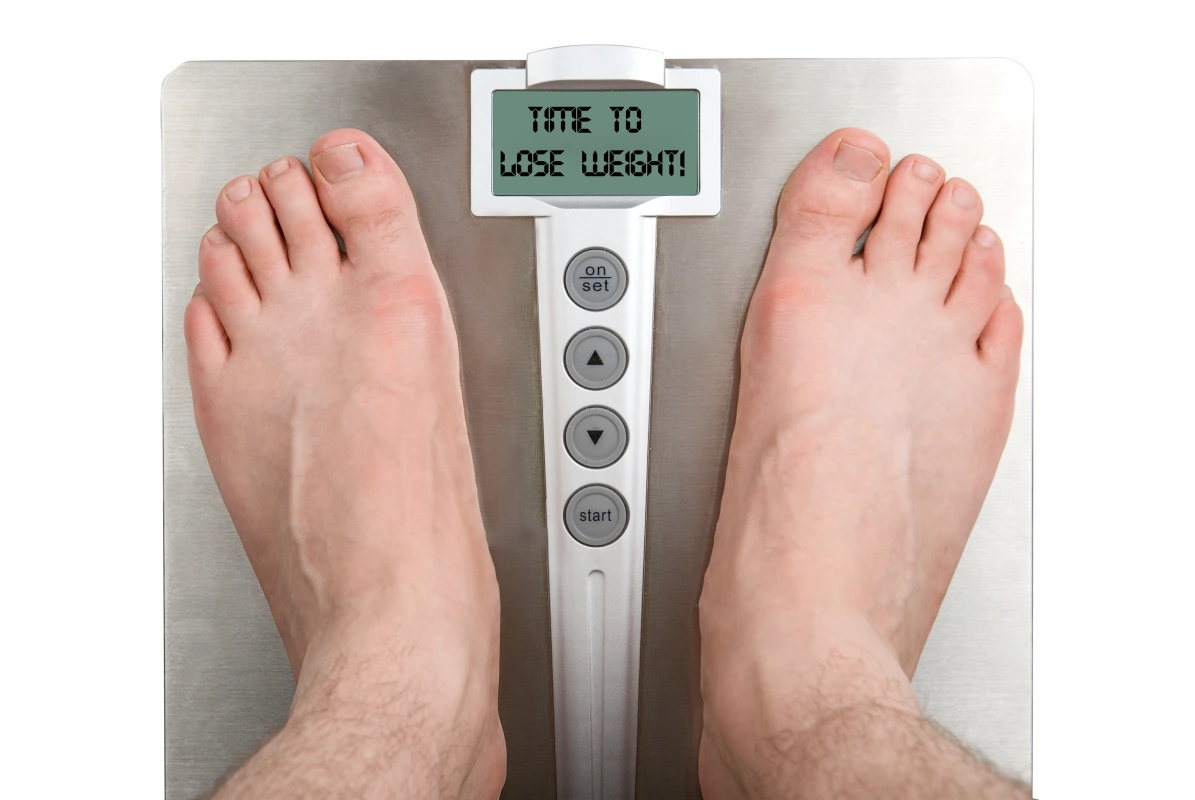
If you want to actually lose weight – and keep it off – you need to focus on three things: getting your hormones balanced, making your metabolism work for you, and sticking to doable lifestyle changes. The usual “dieting” doesn’t cut it for men because it ignores the signals your body sends about storing or burning fat. The truth? Once you tackle those hormonal shifts and feed your body right, you’ll see real results. No more feeling like you’re constantly swimming against the current.
At PG Men’s Health, we look at the whole picture, not just the numbers on the scale. Real weight loss for men means having more energy, better muscle tone, and feeling young again. Whether you step into our Tampa or Sarasota clinics, we’re all about helping you find a way to feel good that actually lasts. When your body’s balanced, the weight has a way of taking care of itself.
When we talk about weight loss for men, it’s really about two things: shedding fat and keeping muscle. Most programs aim for quick weight loss, but you end up losing muscle instead. That actually makes it harder to stay lean over time. Fat burning is tied up in your hormones and how your body uses energy. It’s not about “eating less.” Rather, it’s about eating the food your body needs.
Many men gain weight thanks to a mix of slowed metabolism, changing hormones, and nonstop busy schedules that don’t leave much room for rest. That’s why cookie-cutter solutions don’t work. We see plenty of men doing everything “right” but still stuck with stubborn belly fat. Usually, that means something is going on under their skin that needs a closer look.
With a personalized medical weight loss plan, we can spot these hidden issues. Fat isn’t just “stored calories” – it actually changes your hormones. Once you realize weight loss is a team effort between your brain, blood sugar, and testosterone, the whole picture starts to make sense.
Getting started doesn’t have to feel hard or complicated. Some of the best weight loss tips for men are simple habits – no gym membership required. One big one: eat some protein with every meal. It keeps you full, gives your muscles what they need, and helps stop random snacking. Another easy fix is upping your water intake. So often, we think we’re hungry when it’s really dehydration.
Another practical approach is making small meal swaps that don’t feel restrictive. For example, replace soda with sparkling water or swap white rice for quinoa, and you could be in better shape. These changes may seem minor, but they add up over weeks and months. By focusing on consistency rather than perfection, men can build healthier eating patterns that last.
Don’t forget about “neat” activity – basically, just moving more all day. Little things like taking the stairs, parking further away, or standing at your desk add up. You’ll burn extra calories without sweating buckets at the gym. These tips fit right into busy lives, and honestly, doing them consistently matters way more than going hard once.
Lastly, make sleep a priority. Not getting enough shuts down fat burning and ramps up cravings because your body pumps out more cortisol and less growth hormone. Getting 7-8 hours isn’t just nice – it’s essential if you want a healthy body.
Many men want to get healthy without crash diets or chemicals. The heart of natural weight loss for men? Unprocessed foods and paying attention to real hunger. Eat food that came from a farm or the earth, not a factory. Cutting processed sugars and refined grains levels out your insulin and flips your body’s switch from “store” to “burn.”
One way to stay consistent is to use weekends wisely. Meal prepping on Sundays, planning active family outings like hiking or biking, or even cooking healthy meals together can set the tone for the week ahead. These routines make it easier to stick to your plan during busy workdays and help keep stress levels lower. Natural weight loss works best when it becomes part of your lifestyle, not just a temporary fix.
Pick workouts you don’t hate. If running is torture, skip it. Try hiking, swimming, or lifting weights instead. The best exercise is the one you’ll stick with a few times each week. Managing stress matters, too. High stress leads to emotional eating and slows your metabolism. That’s why time for relaxing isn’t optional – it’s part of the plan.
Everyone’s got their own version of “natural,” but the basics aren’t complicated: eat real food, move more, manage stress. Stick to those, and your body gets into a groove. It takes time, but it beats quick fixes every day.
Think of metabolism and weight loss as your body’s engine. Some engines burn fuel quickly, while others burn it slowly and efficiently. For weight loss, you want your engine burning calories – even while you’re chilling on the couch. Building muscle is key, since muscle burns energy just by sitting there.
As years go by, keeping metabolism active gets tougher because men lose muscle without even noticing. That’s why eating like you’re still in your twenties doesn’t work once you hit your forties. Strength training changes the game – but you don’t need to become a bodybuilder. Just a couple of sessions each week can boost your metabolic rate big time.
One thing to avoid: going hungry. If you cut calories way down, your body goes into “survival mode” and slows your metabolism. That’s why crash diets almost always backfire. Better to give your body the nutrients it needs so your metabolism stays fired up, while keeping your calorie deficit steady and manageable.
If you’re fighting stubborn fat despite working out and eating right, your hormones might be the issue. Hormones tell your cells what to do. With low testosterone, your body pretty much gets the message to “store fat, lose muscle.” Willpower alone can’t fix a messed-up hormonal signal. That’s why we often turn to testosterone replacement therapy to help guys bounce back.
Sleep quality is another critical piece of the hormone puzzle. Poor sleep lowers testosterone, raises cortisol, and disrupts insulin sensitivity. Establishing a bedtime routine – such as limiting screen time, keeping the room cool and dark, and aiming for 7–8 hours – can make a huge difference. When sleep improves, hormones stabilize, and fat loss becomes much easier.
Insulin plays a big role, too. When you eat too many carbs or sugar, insulin stays high, and your body can’t tap into stored fat. It’s like having a full gas tank but a broken fuel pump – the energy’s there, but you can’t access it. Balance those hormones, fix that pump, and suddenly you’ve got more energy, better moods, and losing weight isn’t much of a struggle.
At PG Men’s Health, we see firsthand how hormone balance for men can turn things around. It’s not only about the scale – it’s about confidence, sexual health, and just feeling good. When everything’s working together, the healthy changes stick because your body stops fighting you and actually helps out.
If you’re wondering how to improve hormonal balance without running straight to a doctor, you might be surprised how much your daily choices matter. Honestly, cutting back on alcohol is a game-changer. Alcohol drops your testosterone and cranks up estrogen-like effects. That is the opposite of what you want if you’re trying to lose fat. Even trimming it down to a couple of drinks a week can help you feel and look better.
Exercise also plays a big role. Compound lifts like squats, deadlifts, and bench presses naturally boost testosterone levels, while short bursts of high-intensity interval training (HIIT) improve insulin sensitivity. The key isn’t going all-out every day but sticking to a consistent routine. Even two or three focused workouts per week can help balance hormones and accelerate fat loss.
When it comes to hormones, what you eat matters, too. Your hormones are built from healthy fats – think avocados, nuts, and olive oil. If you’re following a low-fat diet, you could actually be slowing down your hormone production. Don’t forget about Zinc and Vitamin D, as well. Your body needs both to keep testosterone in a good place.
Another thing to keep an eye on is your “toxic load.” Some plastics and chemicals lurking in daily products can mess with your hormones, acting as fake ones and confusing your system. Swapping to glass containers and choosing more natural toiletries can make a difference. It’s all about giving your body a cleaner space to do its thing. These small tweaks might not seem huge, but they add up and help you build a more balanced system over time.
Hormones and fat loss are tangled together in ways that can surprise you. Ghrelin and leptin are big players here. Ghrelin signals hunger, while leptin cues your brain that you’re full and have plenty of fat stored. In many overweight men, the brain gets “leptin resistant” – even though leptin is calling out “enough,” your brain isn’t listening.
Thyroid hormones also play a major role in metabolism. When thyroid function slows, calorie burning drops, and fat storage increases. Stress, poor diet, and lack of sleep can all interfere with thyroid health. Supporting thyroid function with adequate iodine, selenium, and balanced nutrition helps keep metabolism steady. Understanding this connection gives men another tool to fight stubborn fat.
To get your hormones and fat loss working together, anti-inflammatory foods are helpful. Chronic inflammation blocks these hormones from getting their messages through. Loading up on greens, berries, and fatty fish clears those lines of communication and makes sticking to your plan much easier – no more fighting against that huge urge to overeat.
There’s the matter of cortisol too – the well-known stress hormone. When cortisol stays high for too long, you end up storing more fat, especially around your gut. Sure, this helped our ancestors during hard times, but now it just leaves you with stubborn belly fat. Learning to lower cortisol through simple practices like meditation, walking, or even deep breathing is huge for men’s weight loss.
Want to drop weight overnight? Who doesn’t? Still, a healthy weight loss rate for men is typically one to two pounds per week. It feels slow, sure, especially after seeing ads that promise you’ll lose twenty pounds in a month – but it sticks. Quick weight loss is usually just water and muscle, leaving you tired and “skinny-fat.” Slow and steady means the fat’s actually coming off.
Taking it slow also keeps your metabolism from crashing. If you lose weight too fast, your body gets anxious and does everything it can to drag you back to where you started. However, when you ease into it, your body adapts, accepts the new weight, and you avoid that classic yo-yo effect.
Remember, the scale isn’t your only progress tool. Sometimes your weight won’t budge, but your pants loosen, or you have more energy during workouts. That’s because you might be losing fat and building muscle at the same time. Photos and measurements are way more honest than a scale. At the end, it’s how you feel and how your clothes fit – not just a number.
Supplements can help, but they’re not a shortcut. We recommend energy and fat loss supplements that support natural processes, not replace them. Protein powder is handy for hitting protein goals, and a good multivitamin keeps your metabolism running smoothly.
Some supplements, like caffeine or green tea extract, can slightly boost your metabolism and give you energy for workouts. Even so, you have to be careful. Lean too much on stimulants, and you’ll end up jittery and, worse, messing up your sleep. Without good sleep, your hormones don’t stand a chance. Treat supplements like the cherry on top, not the whole sundae.
Before you try anything new, it’s smart to check in with a professional. You want to make sure whatever you take won’t mess with your heart or your meds. Our team at PG Men’s Health can guide you through which supplements actually work for your needs. If you want more info about our approach, visit our About Us page.
Men ask us all the time about how to lose bum fat. Whether it’s genetics or sitting a lot, they feel they carry too much weight in their behinds and thighs. First, understand that spot reduction is a myth. You can’t make your body burn fat from just one area by doing one specific exercise. Genetics and hormones decide where the fat leaves first.
The real answer to losing bum fat is to lose fat everywhere. As your body fat percentage goes down – through eating less and keeping your hormones balanced – those stubborn spots eventually shrink, too. However, you can get that area looking better by building muscle beneath it. Squats, lunges, deadlifts – they all tone your glutes and legs for when the fat burns away, leaving a strong, athletic base.
If the fat in your bum is the last to disappear, don’t stress. Your body often saves the most stubborn pockets for last. The key is sticking with your plan, giving it time, and letting your hormones catch up. It’s way more about living healthy consistently than finding a “magic exercise.”
Long-Term Maintenance Strategies for Men
Weight loss isn’t just about hitting a goal; it’s about keeping the results for life. Many men struggle with yo-yo dieting – losing weight quickly only to gain it back. The key to avoiding this cycle is focusing on sustainable habits rather than short-term fixes. Building a balanced routine of nutrition, exercise, and stress management ensures progress sticks.
Accountability is another powerful tool. Whether it’s a workout partner, a coach, or even a supportive online group, having someone to check in with keeps motivation high. Men often find that sharing progress and challenges makes the journey less isolating and more rewarding.
Regular health check-ups also matter. Monitoring blood sugar, testosterone, and thyroid levels helps catch issues early before they derail progress. Long-term maintenance is about staying proactive, not reactive, so you can enjoy the benefits of weight loss for years to come.
When you eat too little, your metabolism slows down as your body goes into “starvation mode.” In this condition, your body hangs on to every calorie. Hormones like cortisol and low testosterone can also play a role.
Absolutely. Natural weight loss for men comes from eating right and staying active. The gym can speed things up, but you can see real progress with better food choices and daily movement.
Yes, if done by licensed professionals. Testosterone replacement is a safe way to fix low T, which often causes weight gain in men and helps your body switch from storing fat to building muscle.
Stick with rich proteins, healthy fats (like avocados and nuts), and lots of fibrous veggies. Skip processed sugars and limit alcohol if you want stable hormones.
Aim for about half your body weight (in pounds) as ounces of water daily. If you weigh 200 pounds, try to drink around 100 ounces of water a day. That’s about 12 to 13 standard 8‑ounce glasses. Water helps digestion, boosts energy, and keeps hunger down.
They only give a small boost and aren’t magic. When combined with good nutrition, they can help, but don’t expect miracles.
Most men start feeling better within a couple of weeks of balancing hormones and improving their diet. You’ll see clear changes in the mirror and on the scale in 4-8 weeks if you stick with it.
Yes, it’s possible through a process called body recomposition. By eating enough protein, strength training regularly, and keeping a moderate calorie deficit, men can lose fat while gaining lean muscle. Progress may look slower on the scale, but body shape and strength improve dramatically.
As men age, testosterone levels drop and muscle mass declines, which slows metabolism. That’s why strategies that worked in your twenties may not work in your forties or fifties. Focusing on strength training, hormone balance, and recovery becomes more important with age.
Genetics influence where your body stores fat and how easily you lose it. Some men naturally carry more fat in their belly or thighs. While you can’t change genetics, you can overcome them by lowering overall body fat percentage and building muscle in those areas.
Honestly, weight loss for men isn’t just about squeezing back into old jeans – it’s about living well. Extra energy means you’re playing with your kids and managing your career better. Life just feels better. Sure, the road can be tough, but there’s nothing more rewarding for yourself and your family.
Focus on natural weight loss, hormone balance, and learning about how your metabolism really works. You don’t need to be perfect, just keep making better choices more often. You’re not in this alone. There’s expert support out there, real strategies, and proven methods to help you get through rough spots and stick to your goals.
Ready for results? PG Men’s Health can help. Schedule a free consultation today. We have clinics in Tampa and Sarasota, Florida – and if you don’t see a location near you, click here to explore your options.
We’ll take a close look at your health, build a personalized plan just for you, and work together to help you feel like the man you’re meant to be.
Reclaim your health — take the first step by contacting us at hello@pgmenshealth.com or calling (877) 755‑MENS (6367).