
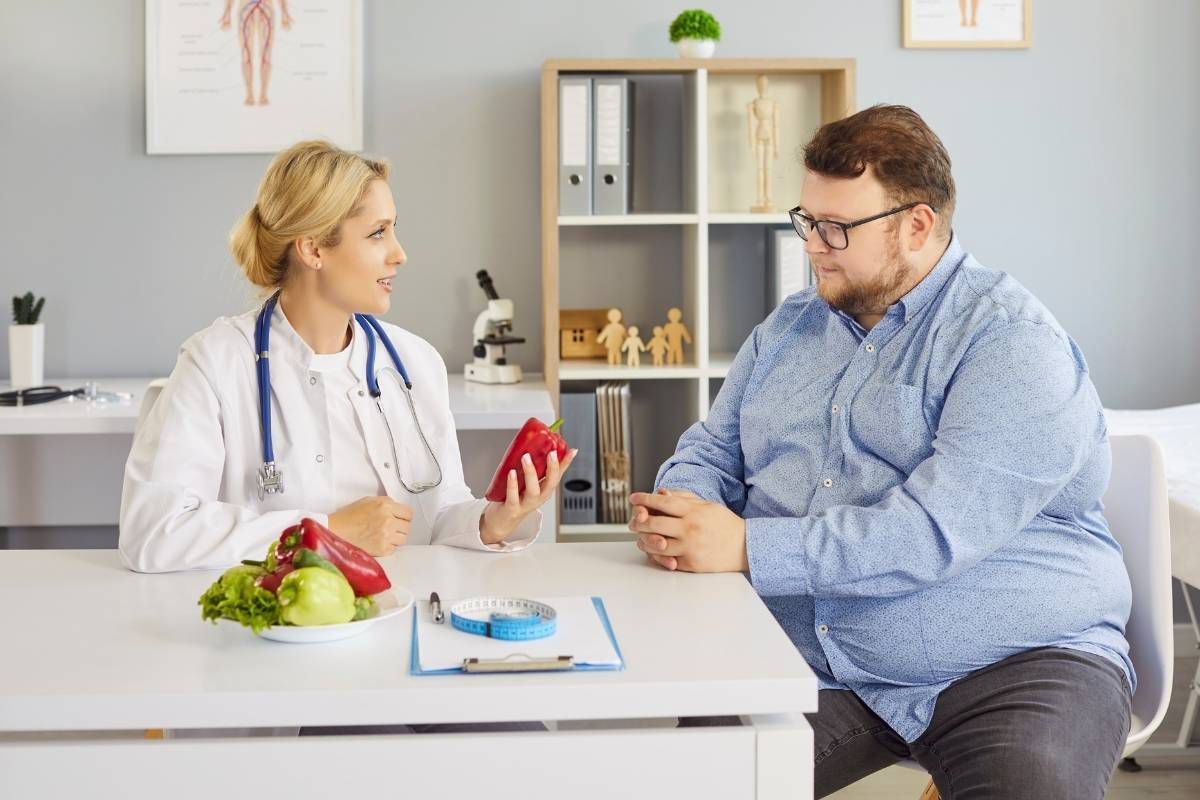
Are obesity and erectile dysfunction connected? Yes, it's been proven that ED and obesity are linked.
Extra weight affects blood flow, hormone levels, and confidence. All of these are key players in sexual health. If you've been dealing with both, you're not alone. Millions of men face this same struggle. The good news? Losing weight can make a real difference.
We already did the research to equip you with the right knowledge. In this blog, we will tackle how excess weight impacts performance. Other important topics will be covered as well, such as common causes of ED and practical steps to take.
For reliable and personalized ED treatments and medical weight loss programs, PG Men's Health is the trusted clinic.
Your weight affects more than just how you look. For many men, extra pounds quietly impact sexual health, too. Obesity and erectile dysfunction share a deeper connection than most people realize. Understanding how they're linked can help you take back control.
ED affects roughly 20–58% of men across North America. That's a wide range, right? Here's why. Age plays a big role. Younger men deal with ED, too. Extra weight raises your risk even further. In other words, this isn't just an older man's problem. Men of all ages experience these challenges daily.
Too much weight or fat can trigger ED. It starts when blood flow significantly slows down. This causes your hormone levels to shift in unexpected ways. Specifically the lowering of your testosterone production.
Low testosterone means low sex drive. Aside from this, inflammation builds up throughout your system. Chronic inflammation damages blood vessels gradually. Nerve function can also decline with ongoing weight gain.
Each one of these factors plays a direct role in erections. Put simply, ED isn't a standalone condition. This and other sexual health issues are commonly triggered by different health issues, such as obesity.
Erectile dysfunction in men isn't caused by just one problem. Usually, a mix of factors plays a role. Some are physical. Others are emotional.
Knowing what could cause ED can help you make preventive actions:
Heart problems often lead to ED. High blood pressure hurts your blood vessels. Meanwhile, high cholesterol clogs arteries slowly. Diabetes limits healthy blood flow, too. Extra weight makes all of these worse. That's also why obesity and erectile dysfunction show up together so often.
Low testosterone does more than drain energy. When levels drop, sex drive usually fades. Erections become harder to maintain, too. Many men don't notice these changes right away. A quick blood test can clear things up.
Your mind affects your body more than you realize. Ongoing stress wears you down over time. Anxiety creates a tough cycle to break. Fear around performance adds even more pressure. Depression can lower desire almost completely. In most cases, emotional and physical causes overlap.
Some prescriptions quietly contribute to ED. Blood pressure meds and antidepressants sometimes cause issues. On top of that, heavy drinking slows your body's response. Smoking damages blood vessels over time. Poor sleep and a lack of activity raise your risk. Injuries near your pelvic area or spine can also affect things.
Does obesity cause erectile dysfunction? The short answer is yes. Research backs this up strongly. Let's thoroughly discuss how obesity can trigger ED.
Excess weight raises blood pressure and cholesterol. Your arteries slowly narrow because of that. Less blood flows to your penis as a result. Here's something worth knowing, too. Penile arteries are smaller than heart arteries. That's why ED can show up before heart issues. In other words, erection trouble may be an early warning sign for bigger health concerns.
Fat cells produce a hormone called leptin. Too much leptin confuses your brain's hunger cues. Overeating becomes harder to control from there. At the same time, testosterone levels start dropping. Low testosterone lowers your sex drive noticeably. That's how obesity and erectile dysfunction stay connected in a cycle.
Extra weight raises your risk for type 2 diabetes. High blood sugar quietly harms nerves over time. Blood vessels take damage, too. You need both working well for healthy erections. Men with diabetes often experience ED at a younger age. Does obesity cause ED without other conditions? Yes. Even on its own, extra weight raises your risk of erectile dysfunction.
Fat tissue releases chemicals that trigger ongoing inflammation. This slowly damages blood vessels throughout your body. Aside from this, your body makes less nitric oxide. You need nitric oxide for blood vessels to relax during erections. Without enough, performance becomes more challenging.
We've covered common causes of ED. Now let's look at how weight gain and ED connect through your hormones. This part often catches men off guard.
Here's something most men don't know. Belly fat actively converts testosterone into estrogen. More abdominal fat means less testosterone for your body. Research shows a striking connection, too. Just 4 extra inches around your waist raises your chance of low testosterone by 75%.
This is important to remember since ED and low testosterone go hand in hand. Low levels affect your energy, mood, and sex drive all at once.
Weight gain and ED aren't just about hormones, either. Extra pounds raise bad cholesterol and triglycerides. Both of these damage blood vessels over time. Once the damage happens, circulation gets worse gradually.
On top of that, extra weight raises your risk for sleep apnea. Sleep apnea lowers testosterone even further. This means that obesity and erectile dysfunction stay connected through sleep quality, too.
Weight gain leads to performance trouble, which causes stress and embarrassment. Stress pushes many men toward emotional eating. Less intimacy and more weight follow from there. Recognizing this pattern gives you real power to change direction.
What you eat plays a big role in sexual health. Diets for erectile dysfunction are one of the easiest steps you can take right now. Better food choices improve blood flow and support your hormones. Even small changes add up over time.
This eating pattern helps with both heart and sexual health. Research supports this approach strongly. Here's what meals generally look like:
This style of eating targets many causes of obesity and erectile dysfunction at once.
Some foods offer extra benefits worth knowing about:
You don't need a complete diet change overnight. Try these easy and friendly diet swaps:
Tracking meals with an app helps, too. It'll help you know if you're overeating and consuming the right food.
Diet matters a lot, but lifestyle changes for ED go beyond food. Don't worry, you don't need extreme workouts or drastic plans. Small, steady changes make a real difference. Let's look at what works.
Exercise improves blood flow and supports weight loss. You don't need a gym membership, either. Walking 30 minutes a day makes a great starting point. Aim to lose 3–5% of your body weight first. Studies show 5–10% weight loss can improve erections. One study found losing just 33 pounds helped over 30% of men recover function. That's why every bit of movement counts.
Managing existing conditions helps a lot with obesity and erectile dysfunction. Work with your doctor on blood pressure and blood sugar. Monitor cholesterol levels regularly, too. Ask about medication side effects openly. Some prescriptions quietly contribute to ED. Although this is the case, never stop a medication without medical guidance first.
Poor sleep and stress quietly make ED worse. Screen for sleep apnea, especially if you carry extra weight. Practice stress relief like deep breathing daily. Talk openly with your partner about how you're feeling. Consider counseling if anxiety feels overwhelming. These lifestyle changes for ED often get overlooked, but they matter a lot.
Use a step counter or food journal regularly. Write down all the efforts you made each week. Staying accountable keeps you moving forward. Even little progress adds up over time.
You already know that obesity and erectile dysfunction are closely connected. This is because extra weight affects blood flow, hormones, and nerve health.
Always remember that ED rarely has one single cause, either. Heart health, stress, medications, and daily habits all play a role. That's why learning how to improve erection strength naturally is important. Start with small, steady changes. Better eating, more movement, and managing stress all help. Natural ways to improve erection health are within your reach right now.
If ED and obesity worsen, you'll need professional care. At PG Men's Health, we help men across Florida take back control. Our clinics offer personalized ED treatment, medical weight loss, and testosterone therapy.
Every plan fits your unique needs. We use Acoustic Wave Therapy. This is a non-invasive approach with a 90% success rate. No pills, no surgery, no downtime. With nearly 30 years of trusted healthcare behind us, our team will treat you with privacy, respect, and real results.
Book a free consultation today and take your first step forward.
Yes, for sure. Losing weight helps erections a lot. One study showed over 30% of men got better results after dropping around 33 pounds. Even losing 5–10% of your weight makes a difference. Blood flow gets better. Testosterone goes up. Erection quality improves, too. Weight loss works well as a first step for obesity and erectile dysfunction.
It's rarely just one thing. Poor blood flow from heart issues plays a big part. Low testosterone and diabetes add to the problem. Stress, anxiety, and low mood affect you, too. Some medications cause issues as a side effect. Smoking, heavy drinking, and bad sleep don't help, either. If this keeps going on, see your doctor. ED can sometimes point to bigger health concerns.
This often means blood leaves too quickly during arousal. Weak blood vessels from high blood pressure or diabetes cause this frequently. Low nitric oxide makes things harder, too. Extra body fat creates swelling that hurts blood vessel health. Stress and worry also play a part. Fixing root causes, like losing weight or managing heart health, often helps a lot.
Obesity and erectile dysfunction link up in several ways. Belly fat turns testosterone into estrogen. Your sex drive drops because of that. Extra weight raises blood pressure and cholesterol. Diabetes risk goes up, too. All of these limit blood flow. Fat cells also release chemicals that harm blood vessels. Sleep apnea from extra weight lowers testosterone even more.
In most cases, yes, with a doctor's approval. Viagra and similar meds work for many men. That said, results may fall short for heavier men. Poor blood flow limits how well these drugs work. Doctors often suggest adding lifestyle changes alongside meds. Never take ED pills without talking to your doctor first.